
About UsConsultation
Products


NewsContact usIndoor RAS System Equipment
Pumps
Indoor Farming Equipment
Outdoor farming Equipment






No items found.


Indoor RAS System Equipment
Pumps
Indoor Farming Equipment
Outdoor farming Equipment
Equipment
12 September 2026
A RAS or CRAS only creates value if the farm team can operate it every day. Hatch Hives includes maintenance, troubleshooting, routine check-ins and on-site technical assistance within its consultation and after-sales positioning. The specific maintenance interval for each product should follow its manual and project conditions, but every farm benefits from a structured routine that covers water, flow, filters, pumps, oxygen, controls and stock observation.
Daily checks should confirm that water is moving through the expected path, pumps are running, the mechanical filtration stage is functioning, oxygen or aeration strategy is available, and the stock is behaving normally. Operators should also review the water-quality parameters defined for the project. The goal is to notice changes early rather than wait for a major alarm or visible system failure.
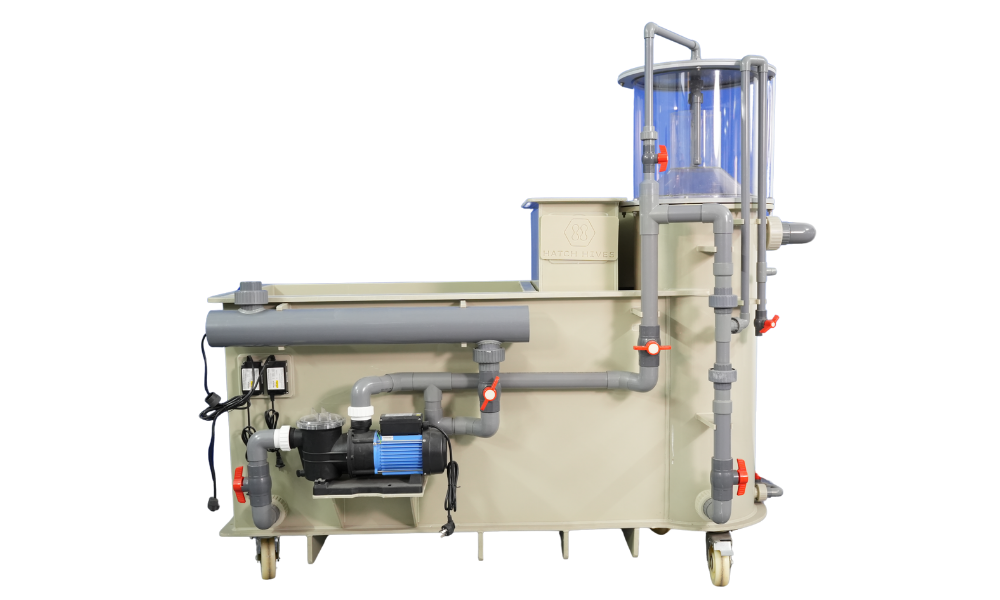
Drum filters and other solids-removal equipment work at the front of the treatment line. If screens, spray systems, waste outlets or cleaning cycles are not functioning correctly, more solids can pass downstream. Regular inspection should therefore focus on whether the filter is actually removing and exporting waste as intended, not only whether the motor is running.
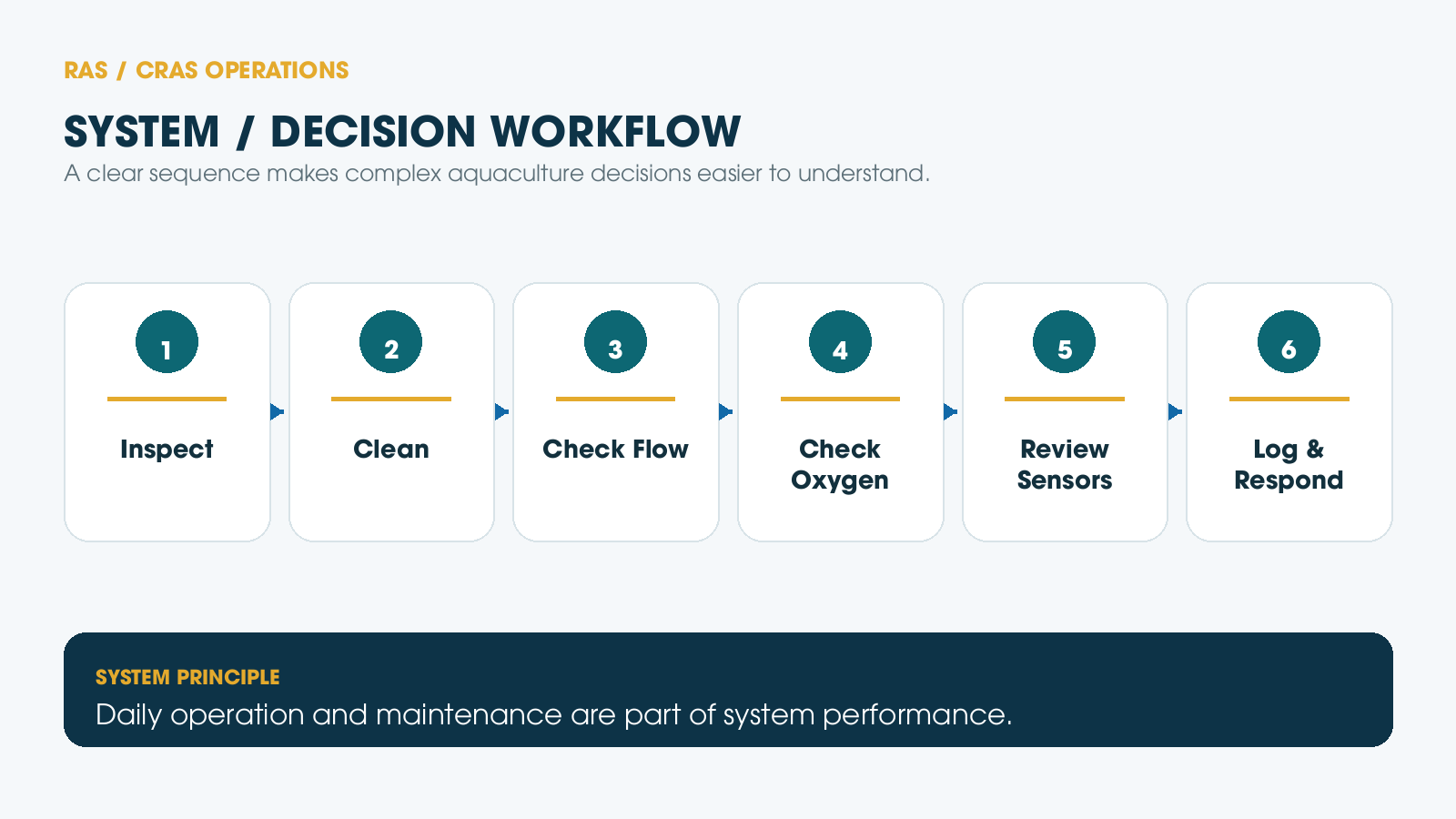
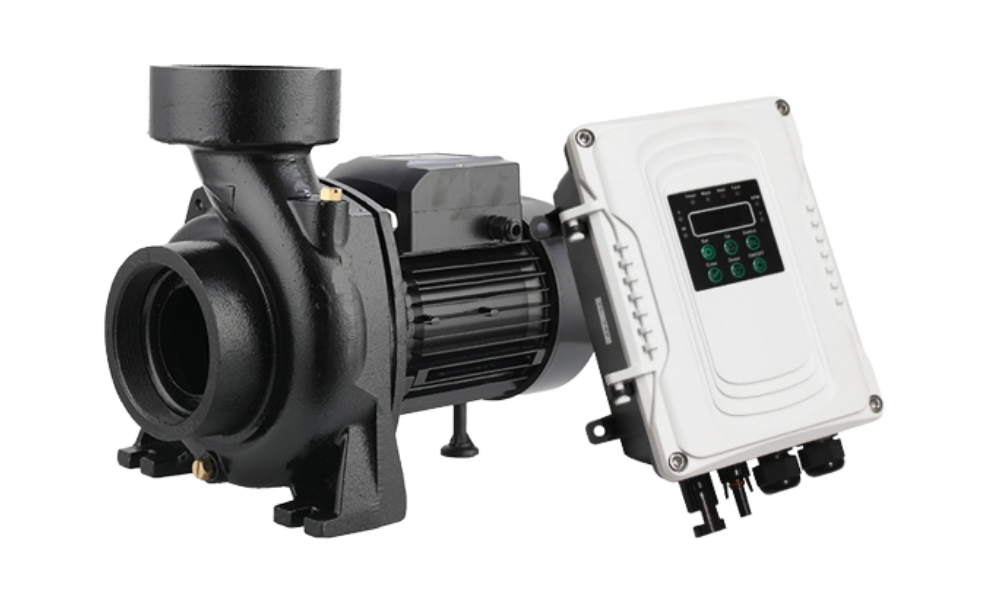
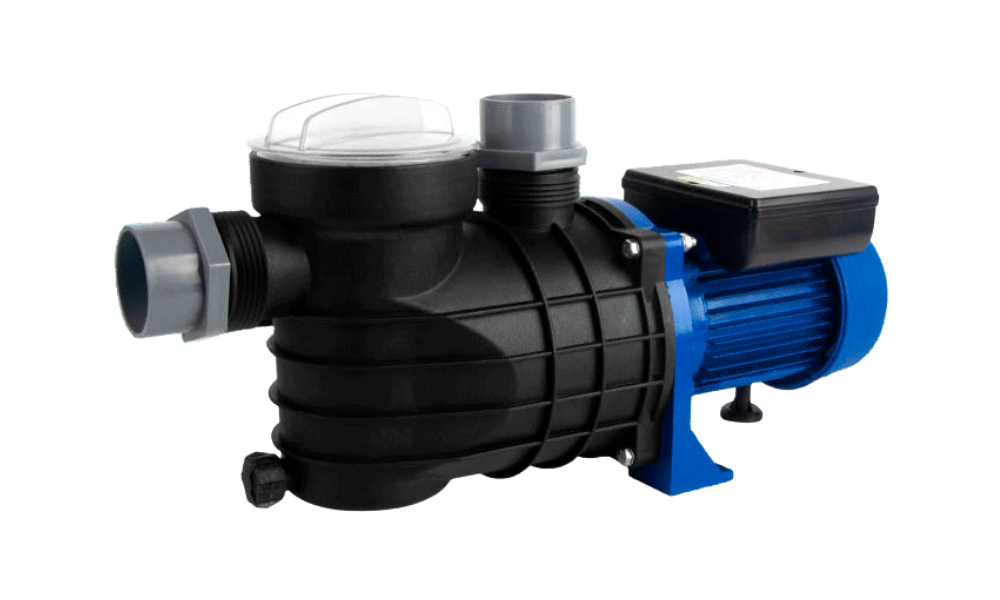
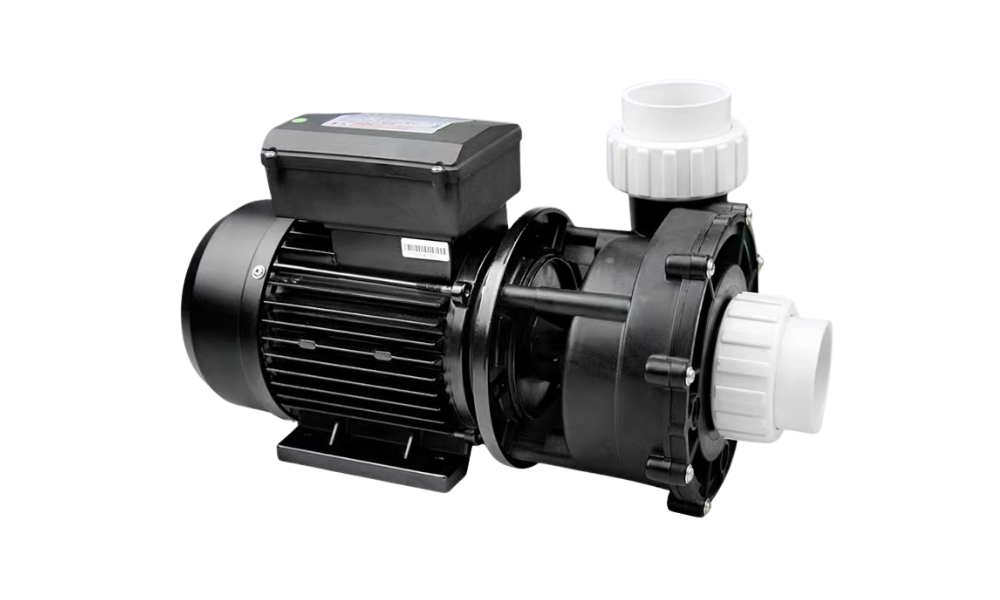
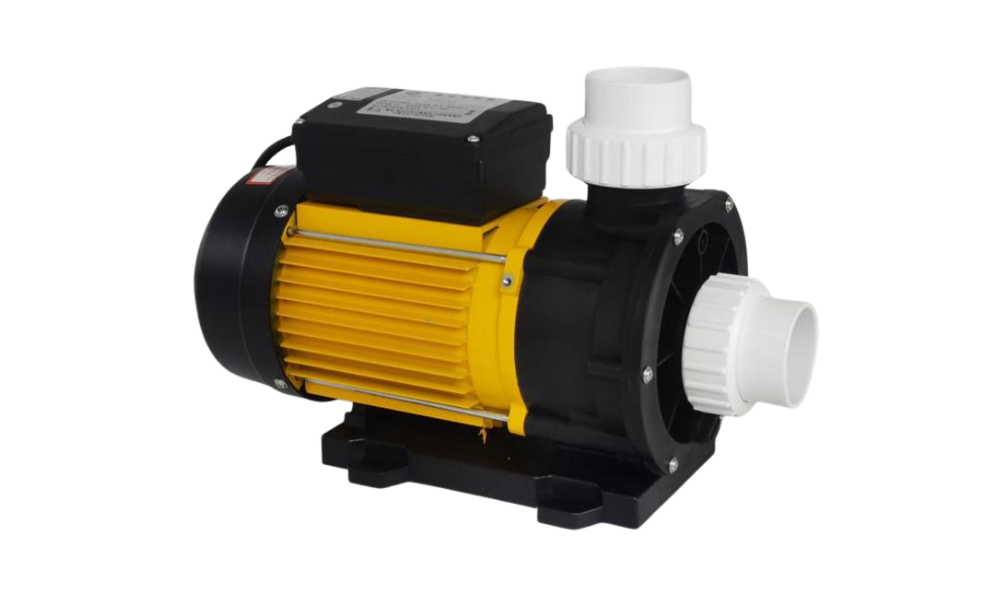
Recirculating systems depend on water movement. Pump condition, valves, unusual noise, flow changes and backup arrangements deserve routine attention. Air, oxygen, heating or cooling systems may also be critical depending on the farm. Operators should know which equipment is essential to stock safety and what the response plan is if a utility or component stops.
Biological filters are living treatment processes. They should be protected from conditions that disrupt the microbial community, and operators should watch system trends rather than relying on a single reading. Sensors also need care. Cleaning, calibration and verification schedules should follow the instrument requirements and farm protocol so the team can trust the data used for decisions.
Simple records make technical support much more effective. Log water readings, feed, observed flow, cleaning events, alarms, unusual equipment behaviour and maintenance work. When a problem appears, those records help identify whether it is a sudden equipment fault or a trend that developed over time. Hatch Hives' support model includes troubleshooting and technical assistance, and good records give that support team better information to work with.
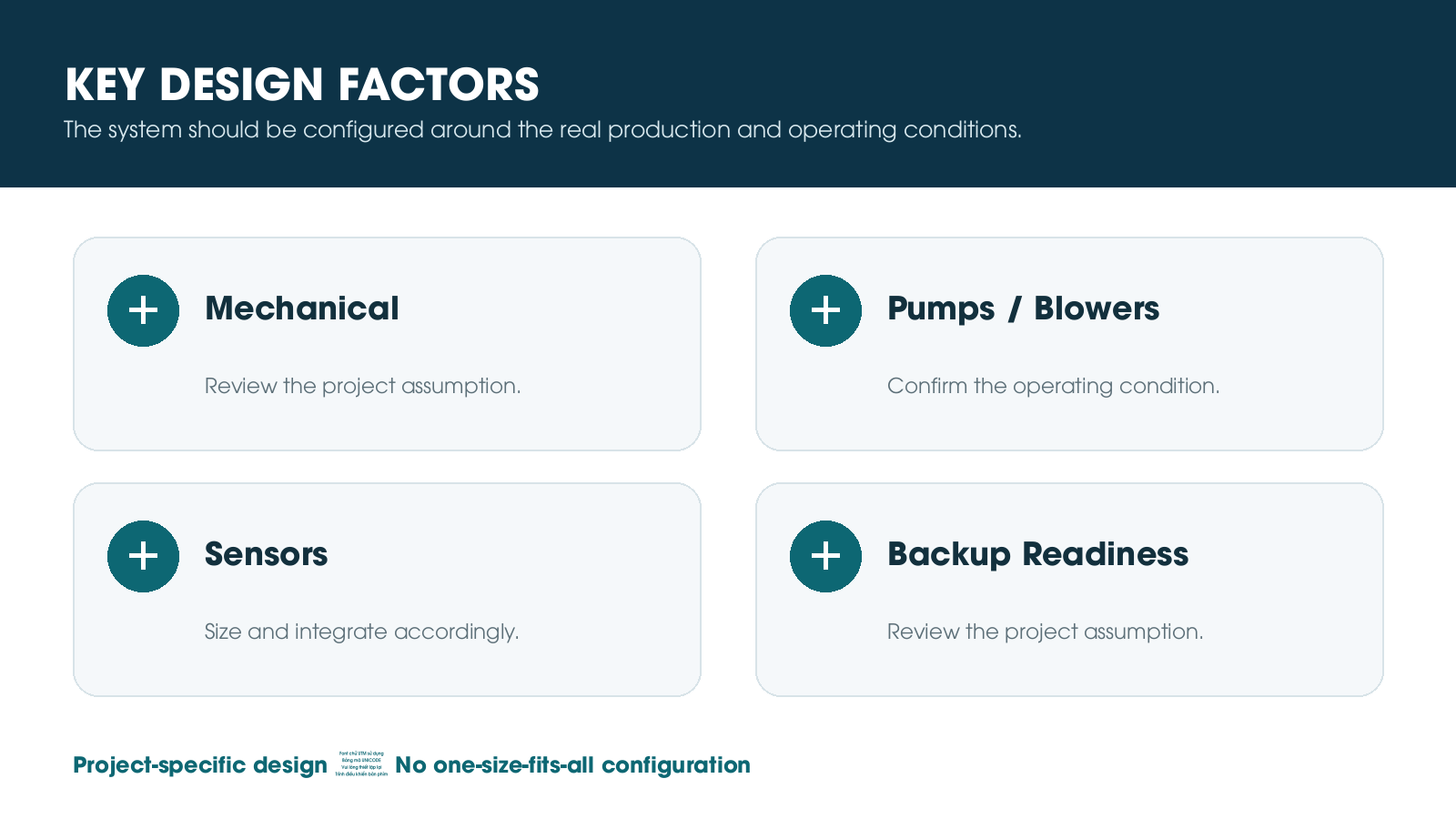
Maintenance is easiest when access was considered during system design. Filters need space to open and clean. Pumps and valves should be reachable. Sensors should be positioned where operators can inspect them. Spare parts and emergency equipment should be identified before a failure. These practical details are part of why system design and after-sales support should be considered together.
Create a simple escalation ladder for the farm team. Define what operators can correct during routine work, what conditions require a supervisor, and what issues should trigger technical support. Include the information that must be recorded before escalation: time, water readings, alarms, feed, flow observations, affected equipment and recent maintenance. This improves communication during troubleshooting and prevents important context from being lost when different people work on the same problem.
Final maintenance intervals should follow the equipment manuals, operating conditions and project procedures. The checklist here is a management framework, not a replacement for model-specific service instructions.
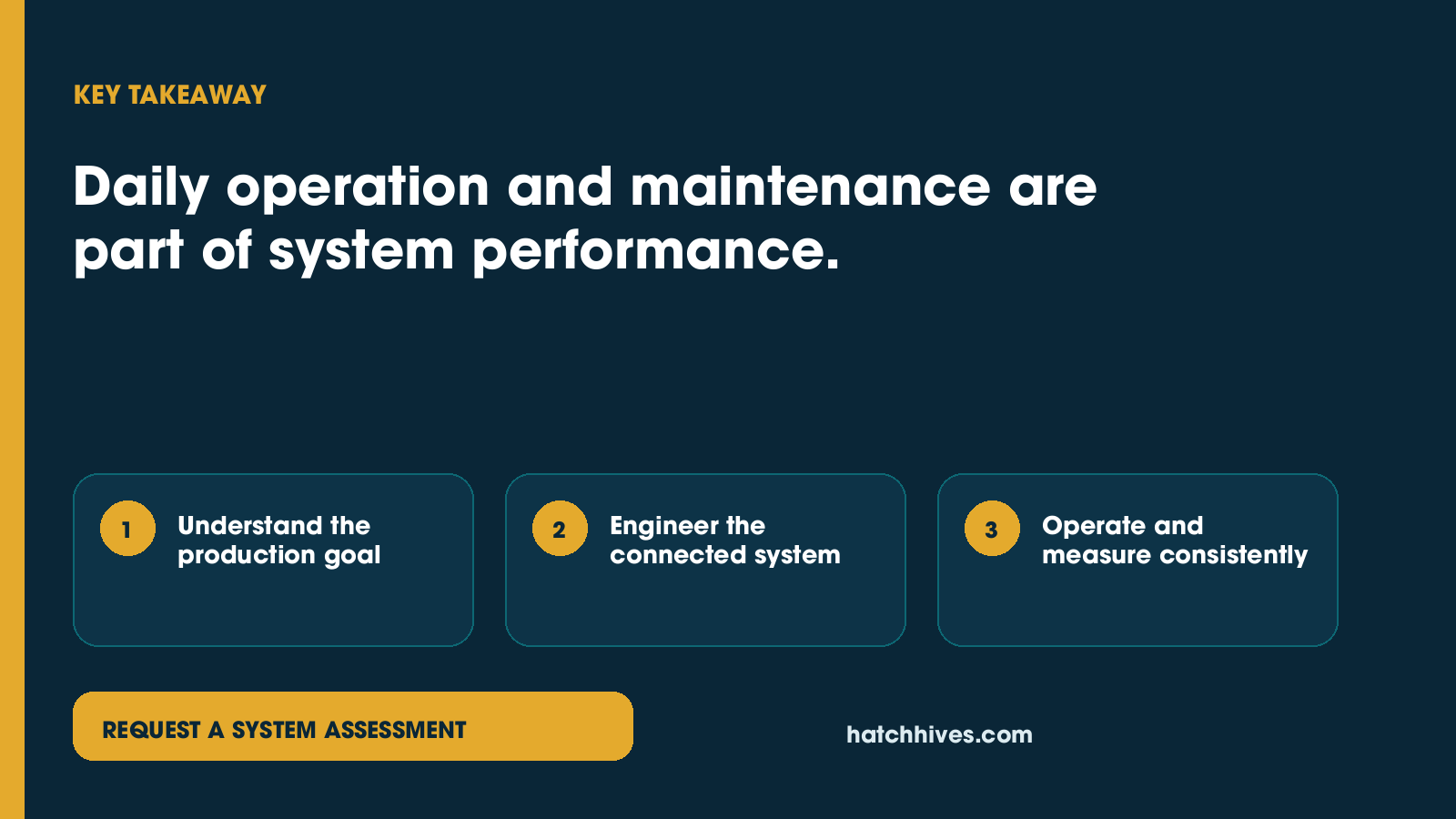
Next step: Contact Hatch Hives for RAS/CRAS maintenance and technical support.
A practical RAS and CRAS maintenance framework covering daily checks, mechanical filtration, pumps, oxygen, monitoring, logs, backup readiness and technical support.