
About UsConsultation
Products


NewsContact usIndoor RAS System Equipment
Pumps
Indoor Farming Equipment
Outdoor farming Equipment






No items found.


Indoor RAS System Equipment
Pumps
Indoor Farming Equipment
Outdoor farming Equipment
Sustainability
13 July 2026
Not all crawfishes are invasive, just like we cannot classify all dogs as aggressive. The word “crawfish” covers many different species, each with different behaviour, growth rates, environmental impact, and farming suitability. The real question should not be “Are crawfishes invasive?” but rather: Which species are we talking about, and how is it being managed?
This distinction matters. Some crawfish species have raised environmental concerns when introduced outside their native range. For example, Cherax destructor, commonly known as the yabby, has been introduced outside Australia and is recognised in some regions as a species with invasive risk because of its ability to establish, reproduce, compete, and adapt to different environments. The USGS notes that Cherax destructor has been introduced to several countries and has the potential to create environmental impact if released into suitable non-native habitats.
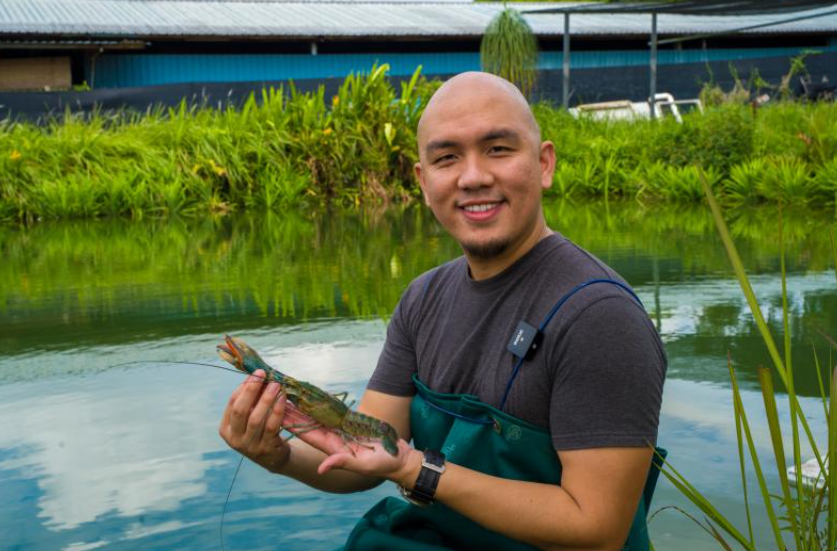
However, it is unfair and scientifically inaccurate to place every crawfish species into the same category. Cherax quadricarinatus, commonly known as redclaw crawfish, is one of the most ideal crawfish species for farming due to its strong growth performance, simple life cycle, natural breeding ability, and suitability for controlled aquaculture systems. Queensland Government aquaculture guidance highlights redclaw’s fast growth, natural pond breeding, simple life cycle, and relative economy of production in developed redclaw farming systems.
What makes Cherax quadricarinatus especially valuable is its farming potential. In the right water conditions, it can grow efficiently, reproduce well, and be managed in structured systems. It is also known among farmers as a more docile and manageable species compared with more aggressive crawfish types. This makes it easier to handle, stock, grade, and farm responsibly.
From an aquaculture perspective, redclaw has several advantages. It is fast-growing, has good market value, can be sold live, cooked, or frozen, and can be produced using relatively simple systems when water quality, shelter, stocking density, and feeding are properly managed. Redclaw breeding is also productive, with females capable of producing hundreds of eggs per brood under suitable conditions.
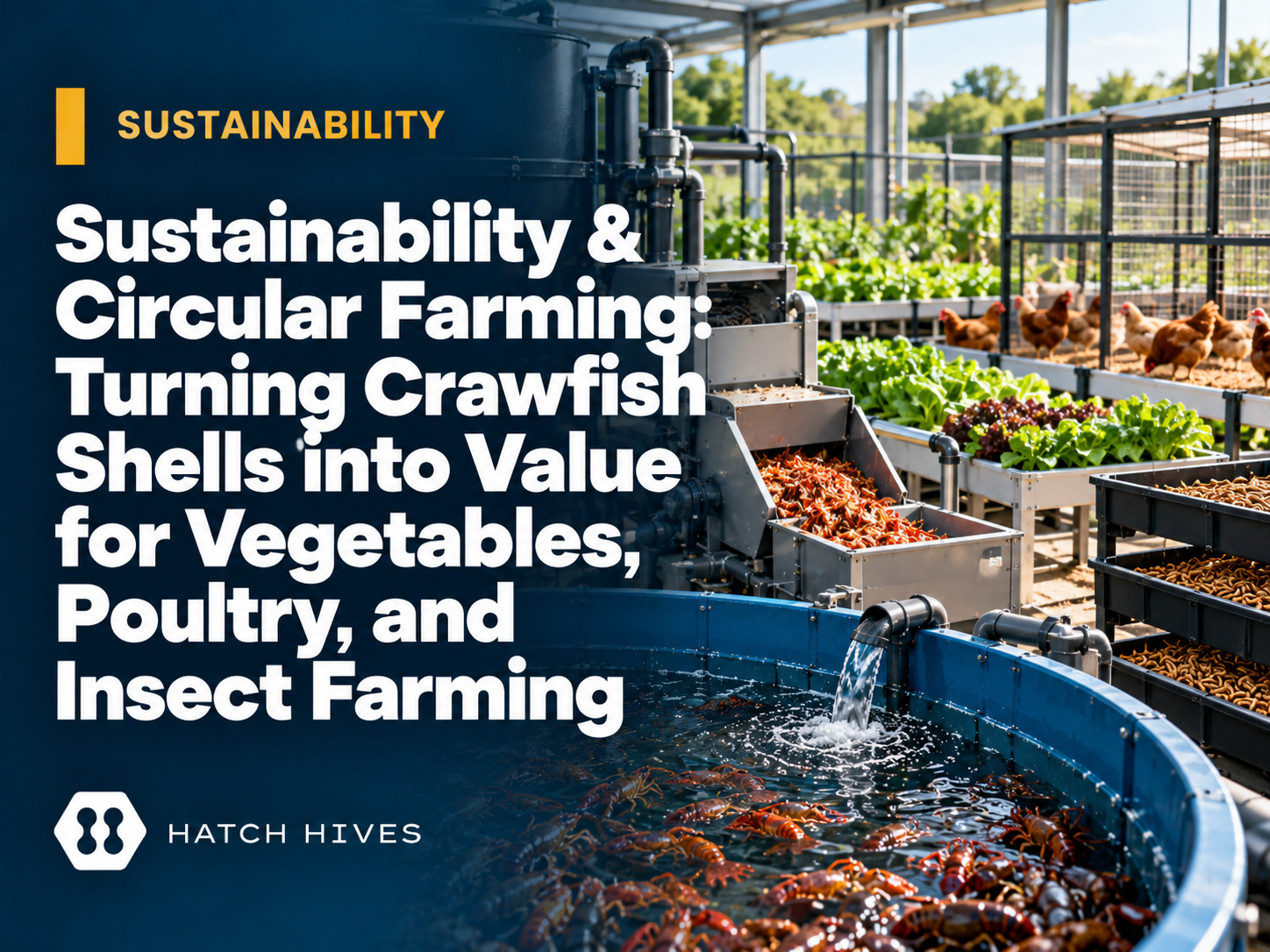
At our hatchery, we take this further through a multi-cropping aquaculture model. Instead of farming only one species in one layer of water, we design the system to make better use of the full water column. Crawfish are farmed at the bottom, fish occupy the middle water layer, and plants are grown on the surface of the water. This creates a more efficient and circular farming system where space, nutrients, and water can be used more productively.
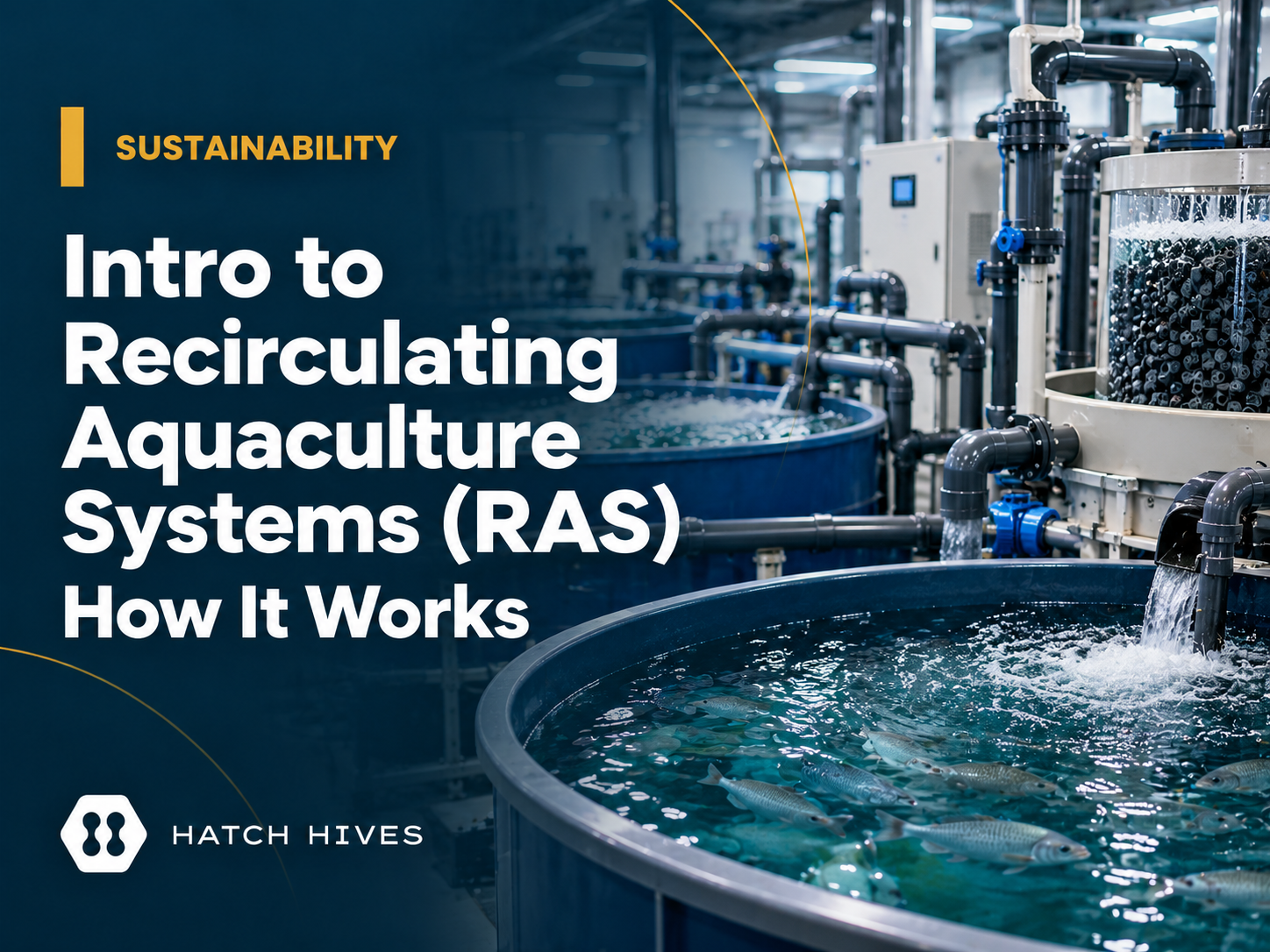
This approach follows the same principle behind integrated aquaculture and aquaponics: nutrients from aquatic animals can support plant growth, while plants and beneficial bacteria help improve water quality. FAO describes aquaponics as an integrated fish and plant farming method, where nutrient-rich water is used for vegetable production and the system supports more efficient resource use.
For us, this is not just about producing crawfish. It is about building a more sustainable aquaculture model. Crawfish help utilise the bottom layer, fish increase overall biomass output, and plants make use of nutrients on the surface. By combining them, the hatchery can improve land-use efficiency, reduce waste, and create multiple harvest opportunities from the same system.
The key message is simple: not all crawfishes are invasive. Responsible farming depends on correct species selection, proper containment, good husbandry, and strict control to ensure animals are never released into the wild. Cherax quadricarinatus stands out as one of the most suitable crawfish species for controlled aquaculture because it is manageable, fast-growing, high-yielding, and well suited for modern integrated farming systems.
For more information, contact admin@singaporecrawfish.com
Related articles