
About UsConsultation
Products


NewsContact usIndoor RAS System Equipment
Pumps
Indoor Farming Equipment
Outdoor farming Equipment





No items found.


Indoor RAS System Equipment
Pumps
Indoor Farming Equipment
Outdoor farming Equipment
Equipment
11 September 2026
A Container Recirculating Aquaculture System (CRAS) packages multiple water-treatment functions into a modular container platform. Hatch Hives describes its CRAS as a fully customisable and integrated system housed within a 40-foot container. The approach can be useful when a project wants a defined treatment module, a compact equipment footprint or a system that can be transported and integrated with culture infrastructure on site.
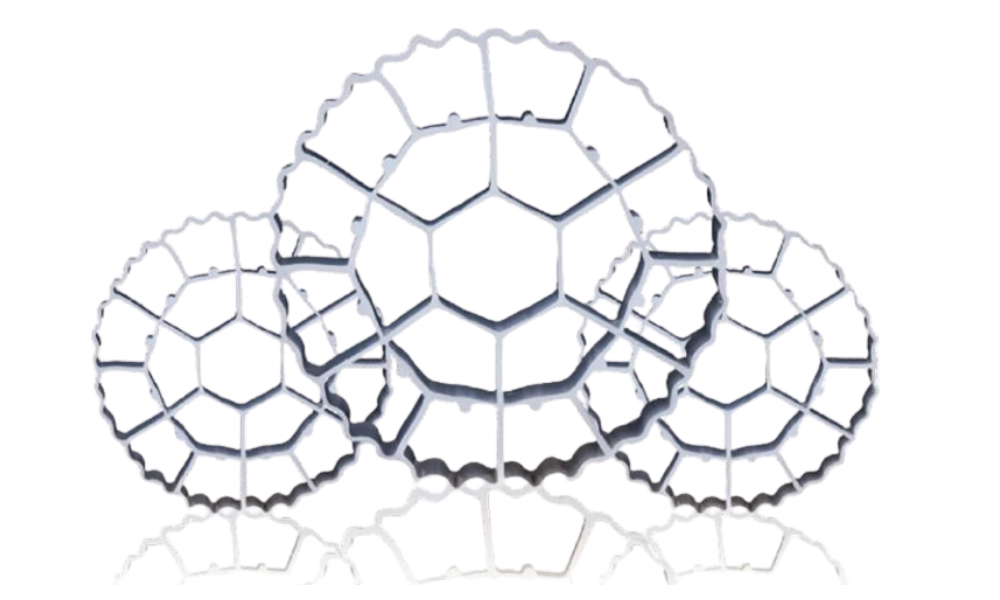
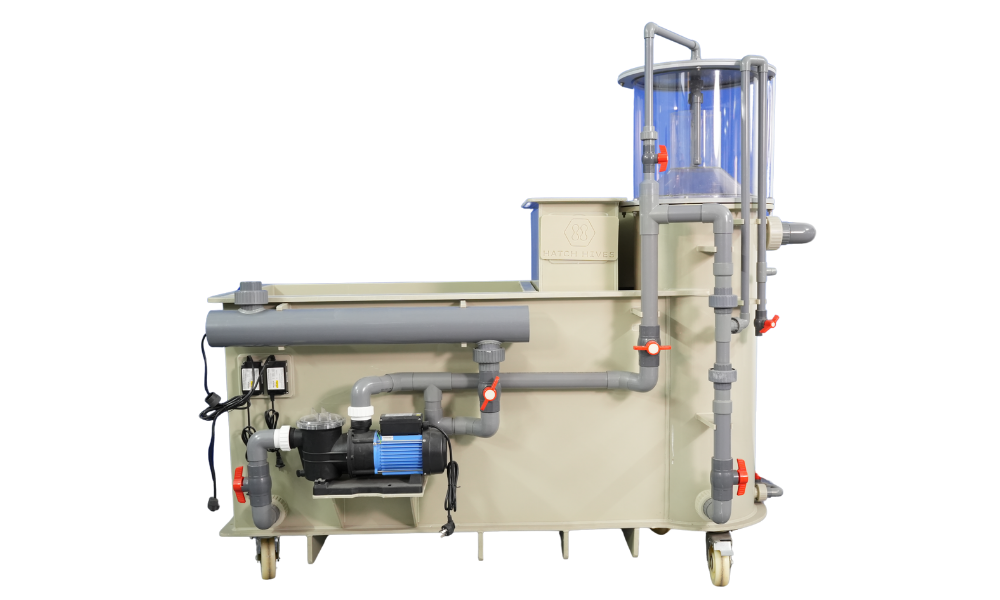
The Hatch Hives CRAS product page lists a high-performance protein skimmer, venturi pump, ozone generator, drum filter, vertical separator, MBBR biological filters, UV systems, water and air pumps, chemical-free disinfection, flowmeter, water monitoring, PLC control cabinet, heater and chiller within a 40HQ container configuration. The exact equipment and sizing remain customisable, so this list should be treated as the architecture of the product family rather than a promise that every project receives an identical specification.
Containerisation can make the equipment package easier to plan, transport and position. It can also simplify the physical relationship between treatment stages because major functions are integrated within a defined module. For farms with limited plant-room space, pilot projects, remote sites or phased development, that modular approach can be attractive. The culture tanks and other production infrastructure, however, still need to be designed around the production target.
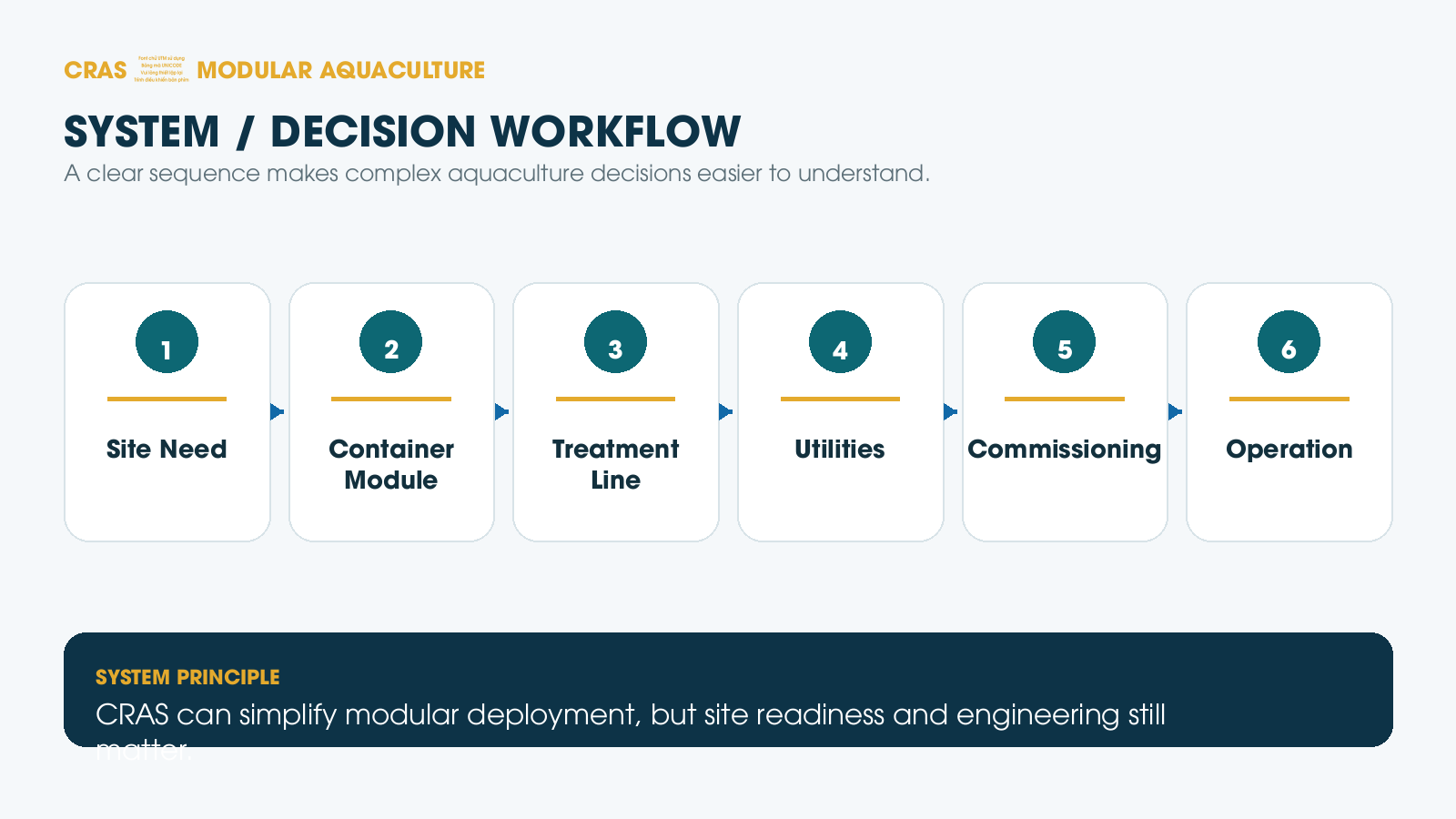
A container does not remove the need for engineering. The site needs suitable power, water, drainage, pipe connections, access and a plan for how water moves between the culture area and the treatment module. Commissioning and operator training are also important. Hatch Hives' consultation service includes installation, setup and on-site support, which is particularly relevant when integrating CRAS into new or existing farm infrastructure.
CRAS is not automatically the right answer for every project. A conventional or customised RAS may provide more freedom when the site is large, the treatment plant needs to be distributed across multiple areas, or the project requires a highly specific layout. CRAS is strongest when modularity and a compact integrated treatment platform align with the site strategy. The decision should be based on species, target output, utilities, flow requirements, maintenance access and future expansion.
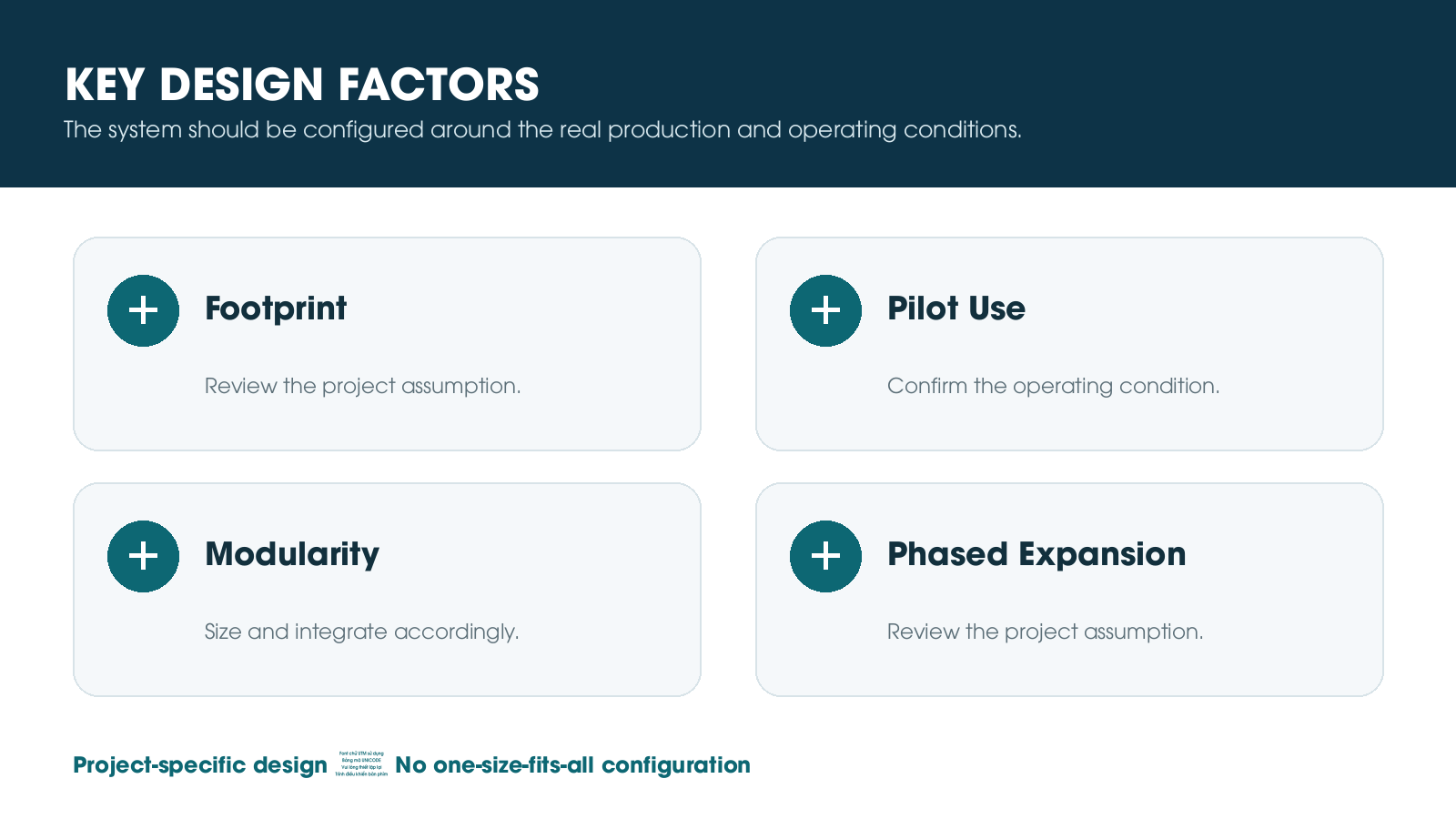
The container is the treatment platform; the farm is still the complete production system. A useful CRAS assessment therefore starts with the same questions as any RAS project: what species and life stage will be farmed, what biomass and feed load are expected, what water source is available, what utilities exist and how will operators run the system every day? Those answers determine whether CRAS provides the right architecture and how it should be customised.
Before choosing CRAS, sketch the entire site rather than only the container location. Mark the culture tanks, inlet and return lines, power connection, drainage, oxygen or air supply, access for delivery, maintenance clearance and any future expansion area. This quickly reveals whether containerisation genuinely simplifies the project. If the site requires extensive custom infrastructure around the module, a customised RAS may deserve comparison. The best architecture is the one that makes the total farm easier to build, operate and expand.
Hatch Hives positions CRAS as a customisable system, so final equipment selection, flow, utilities and operating requirements should be confirmed in the project proposal rather than assumed from a standard container layout.
Next step: Request a CRAS suitability review for your site and production target.