
About UsConsultation
Products


NewsContact usIndoor RAS System Equipment
Pumps
Indoor Farming Equipment
Outdoor farming Equipment






No items found.


Indoor RAS System Equipment
Pumps
Indoor Farming Equipment
Outdoor farming Equipment
Equipment
07 September 2026
For farms looking for aquaculture systems in Singapore, the important decision is not simply which machine to purchase. It is how the culture area, water-treatment equipment, utilities, controls and operating routines will work together. Hatch Hives positions itself as a one-stop aquaculture technology and equipment provider, with system options that include Compact Recirculating Aquaculture Systems (RAS), customised RAS projects and Container Recirculating Aquaculture Systems (CRAS), alongside filtration equipment, pumps and consultation services.
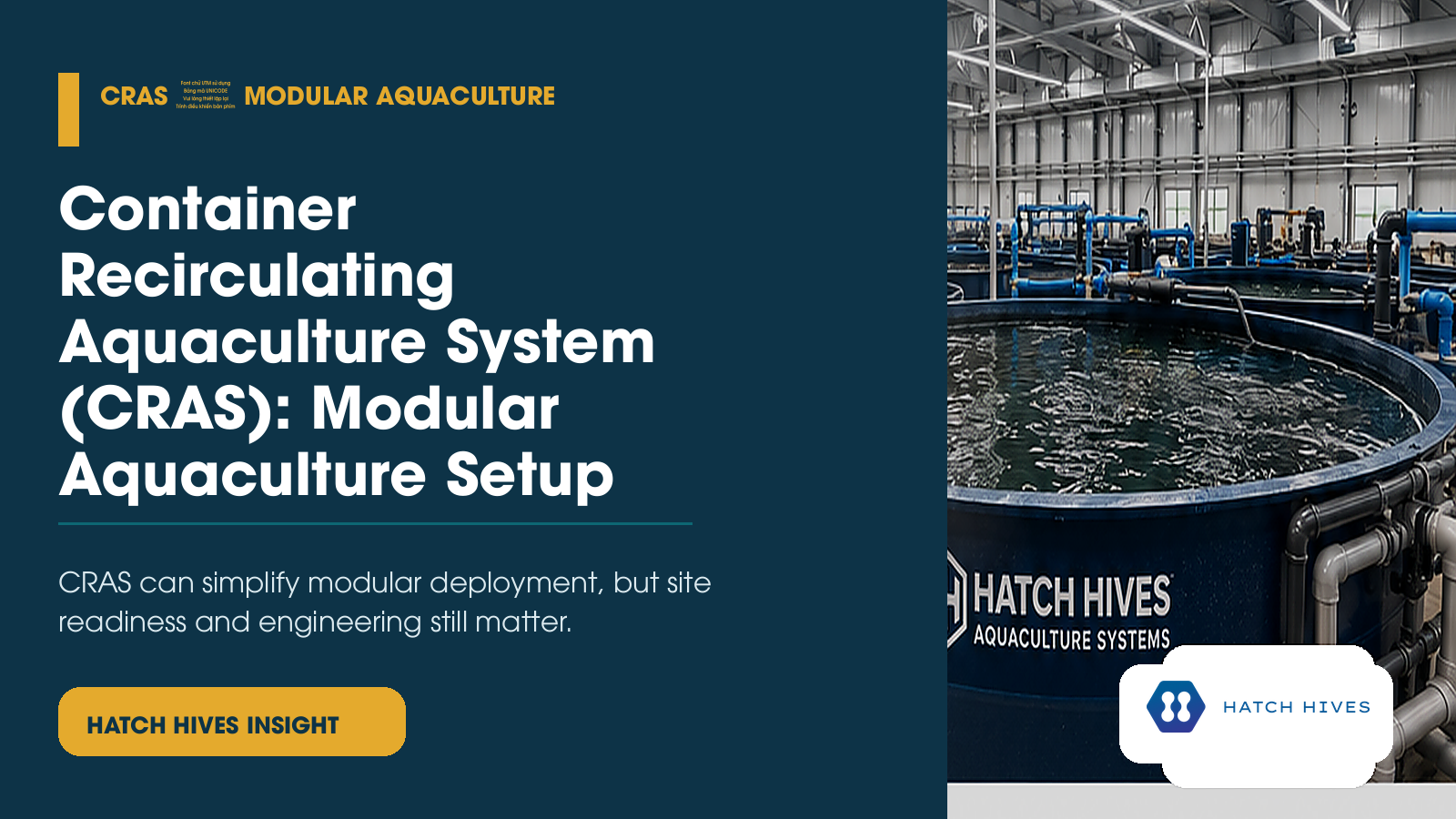
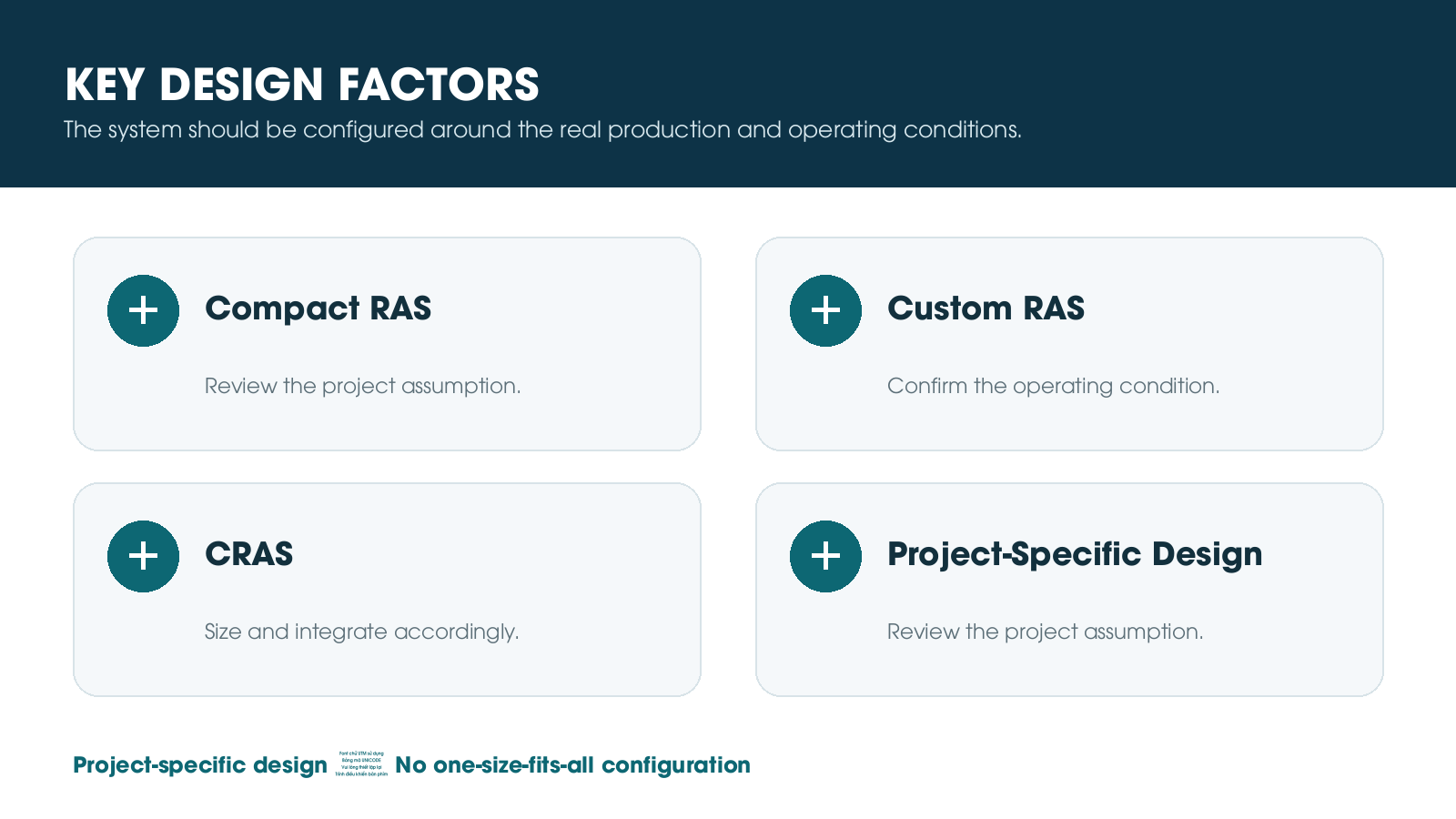
Hatch Hives lists a Compact RAS range for integrated treatment in a smaller footprint, a conventional RAS offering for larger or more customised projects, and CRAS for a modular containerised configuration. The compact HH-RAS10 series includes separate freshwater and seawater scenarios on the product page, while special specifications can be customised. A customised RAS can be planned around a site's layout and production requirements. CRAS packages multiple treatment functions inside a 40-foot container platform and is intended to simplify modular deployment.
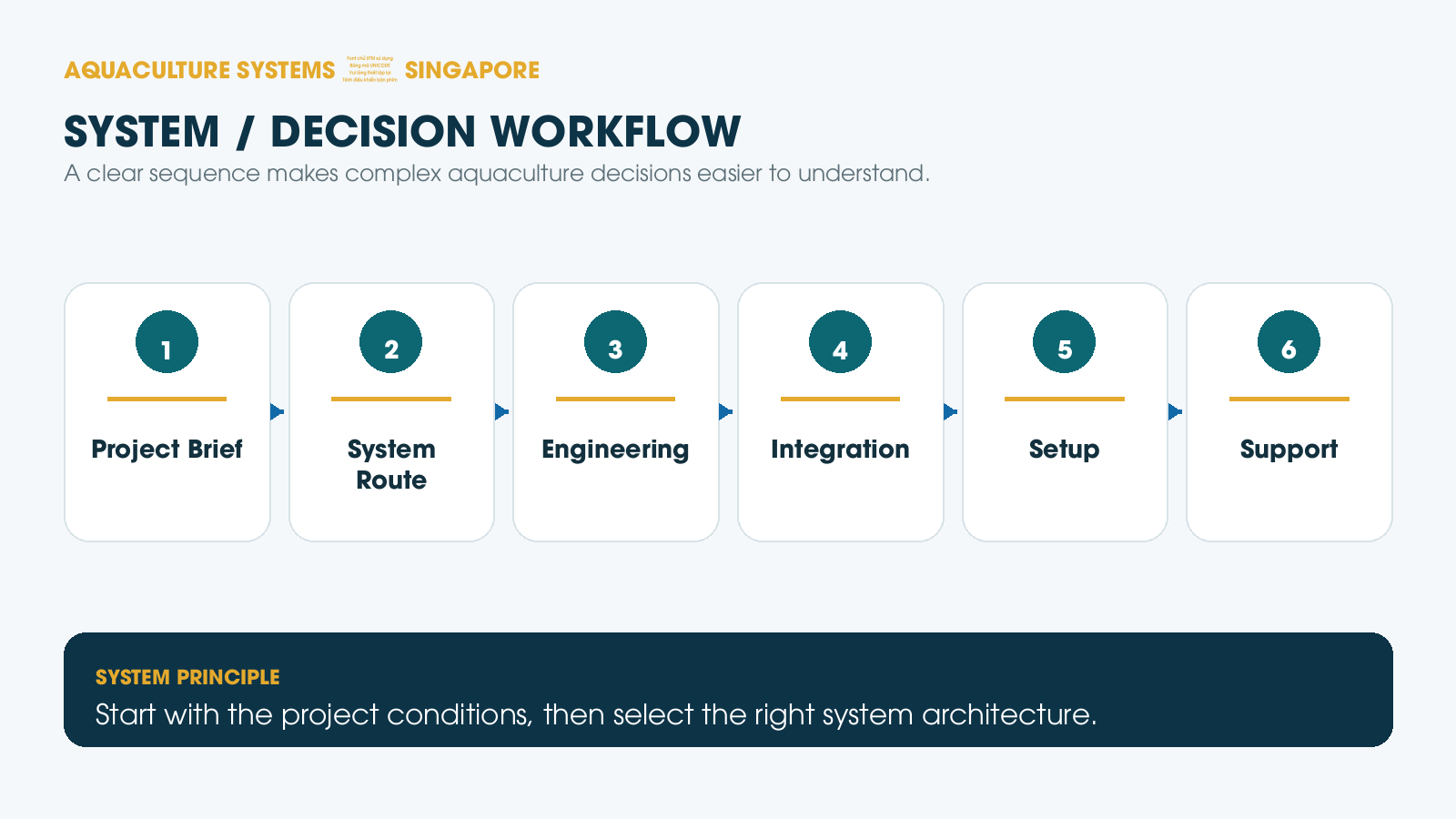
A turnkey discussion should cover more than the equipment list. The system needs a design basis, water-flow plan, treatment sequence, pump and pipe integration, controls, access for maintenance, commissioning and an operating handover. Hatch Hives' consultation page includes farm and hatchery design, installation and set-up, maintenance and technical assistance. For buyers, this means the project can be approached from the production goal outward rather than by combining unrelated components after purchase.
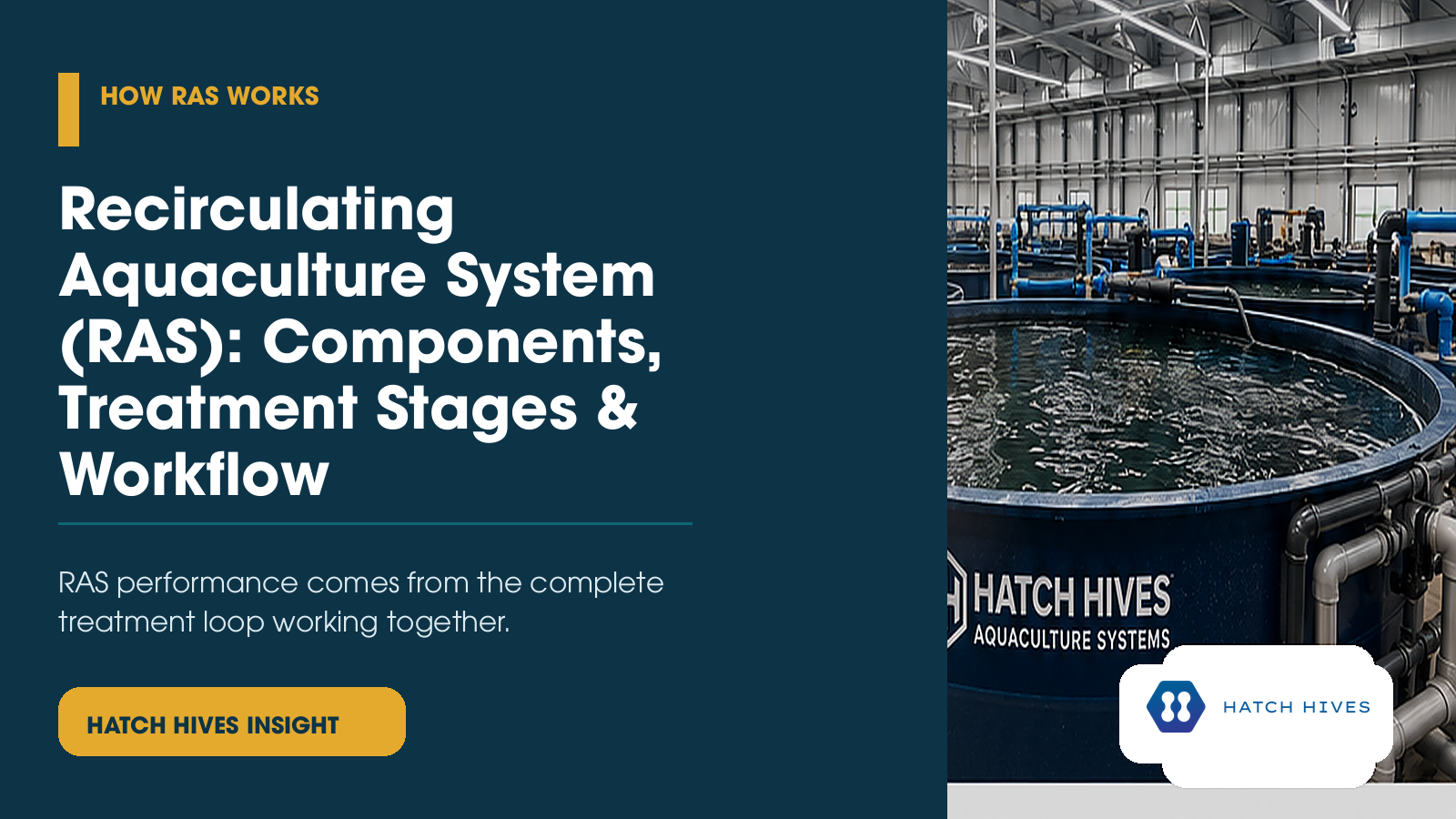
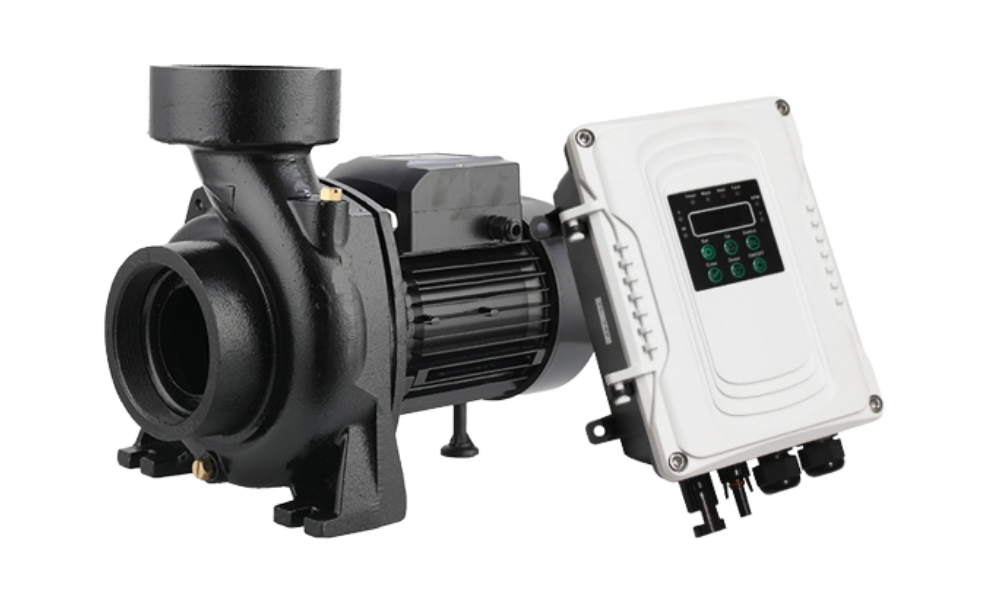
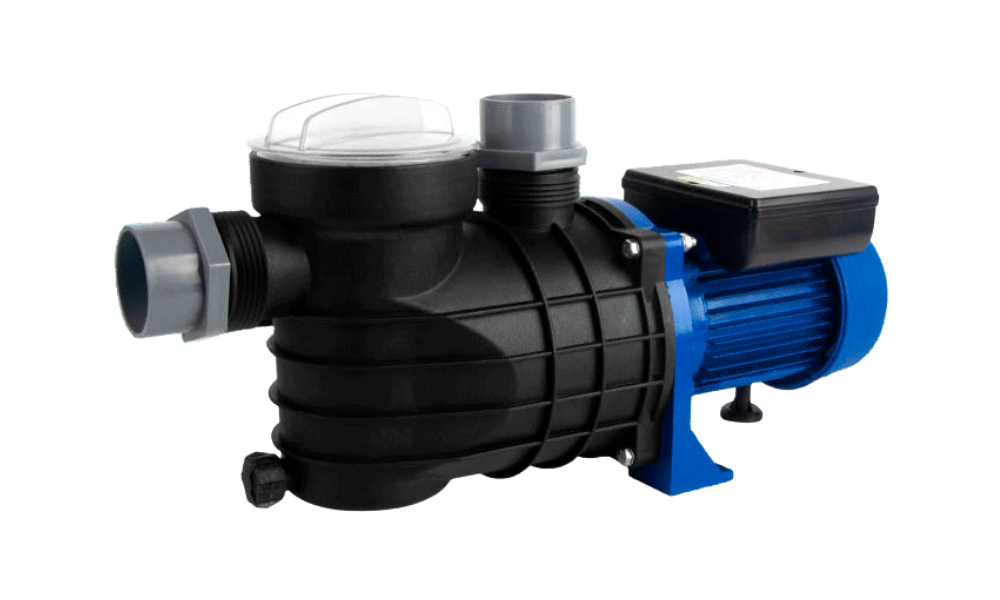
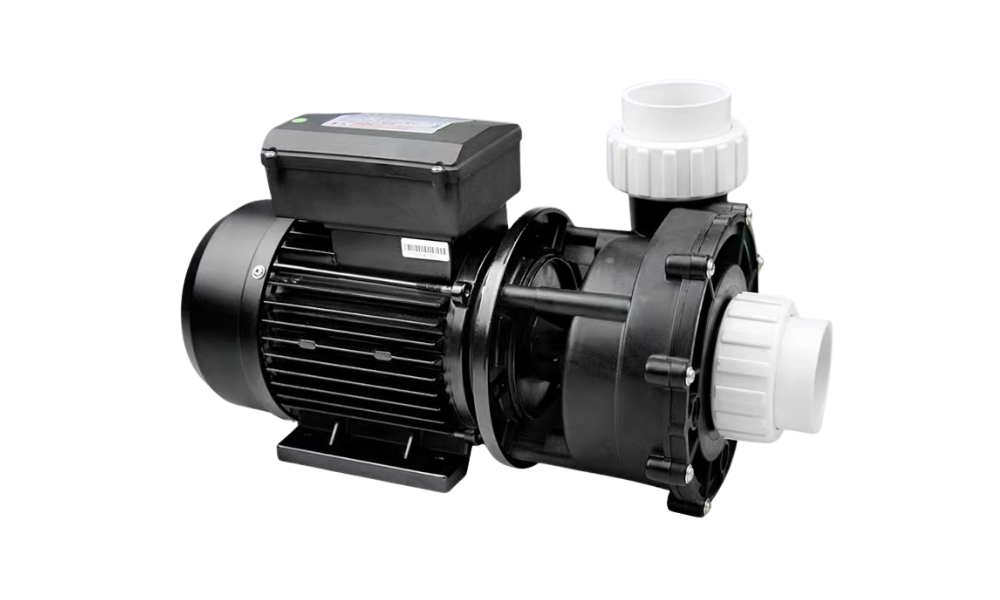
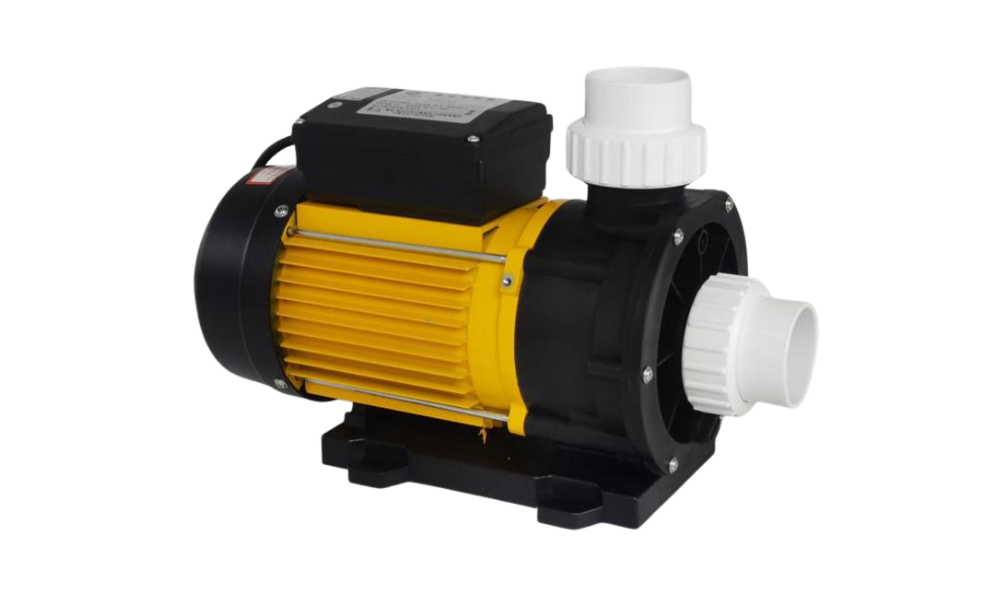
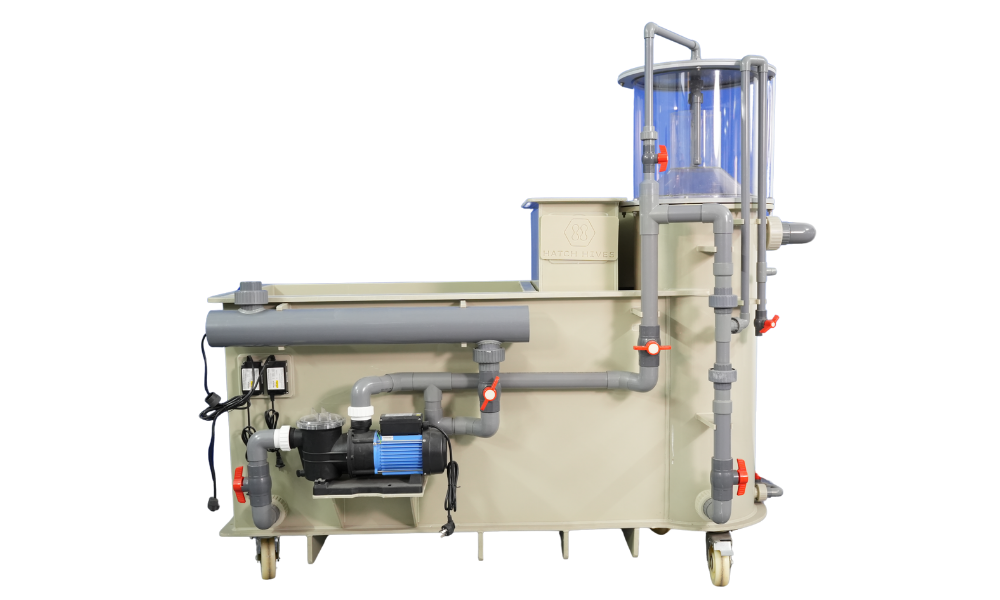
The Hatch Hives catalogue includes stainless rotary drum filters for mechanical solids removal, biological filter tanks and moving-bed biological filters, bio-media, protein skimmers, pumps and complete RAS/CRAS systems. In a project, the role of each item should be defined by the water path. Mechanical filtration removes suspended solids. Biological treatment supports conversion of dissolved nitrogenous waste. Pumps maintain movement through the loop. Depending on the system, protein skimming, ozone, UV, heating or cooling and monitoring may also be integrated.
The company's FAQ makes the design position explicit: even systems with the same water volume may need different configurations because species, stocking conditions and operating goals differ. A useful preliminary discussion therefore begins with species, target production, planned or current site, water source, available utilities, current farming method and the key problem the farm wants to solve. Those inputs help determine whether the project should use a compact system, a customised plant, CRAS or a targeted upgrade.
Hatch Hives describes its design team as Singapore-based and its engineering/manufacturing capability as in-house, with export supply available worldwide subject to order requirements. For a buyer in Singapore or a regional project managed from Singapore, the practical value is the ability to combine system planning, equipment specification, installation support and after-sales assistance within one project conversation.
For a Singapore or regional project, prepare a short project pack before requesting a proposal: a site plan or photos, species and life stage, production objective, water source, utilities, current setup if applicable, and the main constraint you want the system to solve. This allows the technical discussion to compare Compact RAS, customised RAS, CRAS and targeted equipment upgrades on the same basis. It also helps clarify which work belongs to system supply, which belongs to site preparation and what installation or commissioning support will be needed.
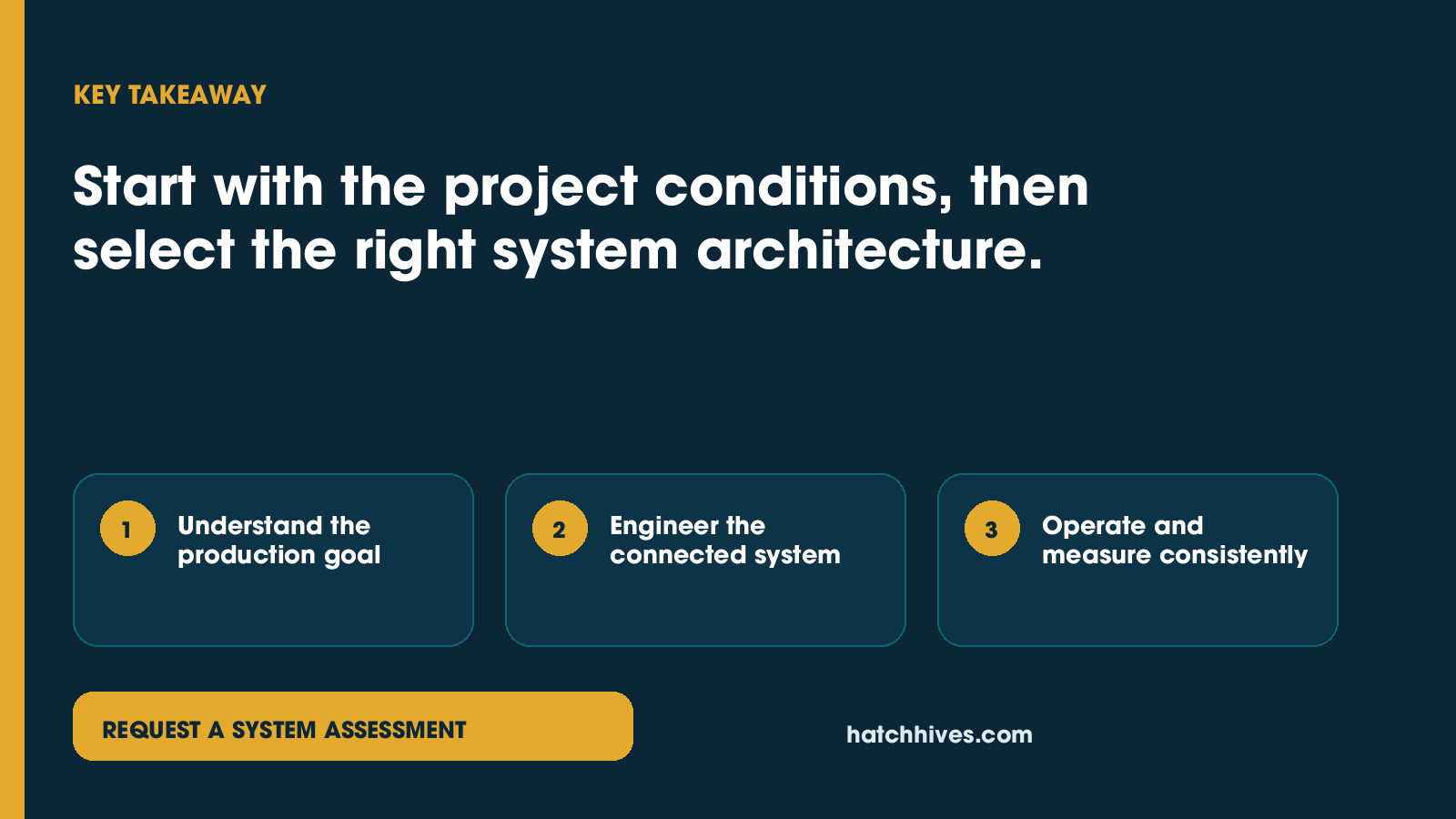
Next step: Discuss your Singapore or regional aquaculture project with Hatch Hives.